Entry · Ref TVGCV___
A Beginner’s Introduction to Authentic Jamaican Food
- Posted
- 2026-11-06
- Last amended
- 2026-11-06
- Account
- @beckettulnm197

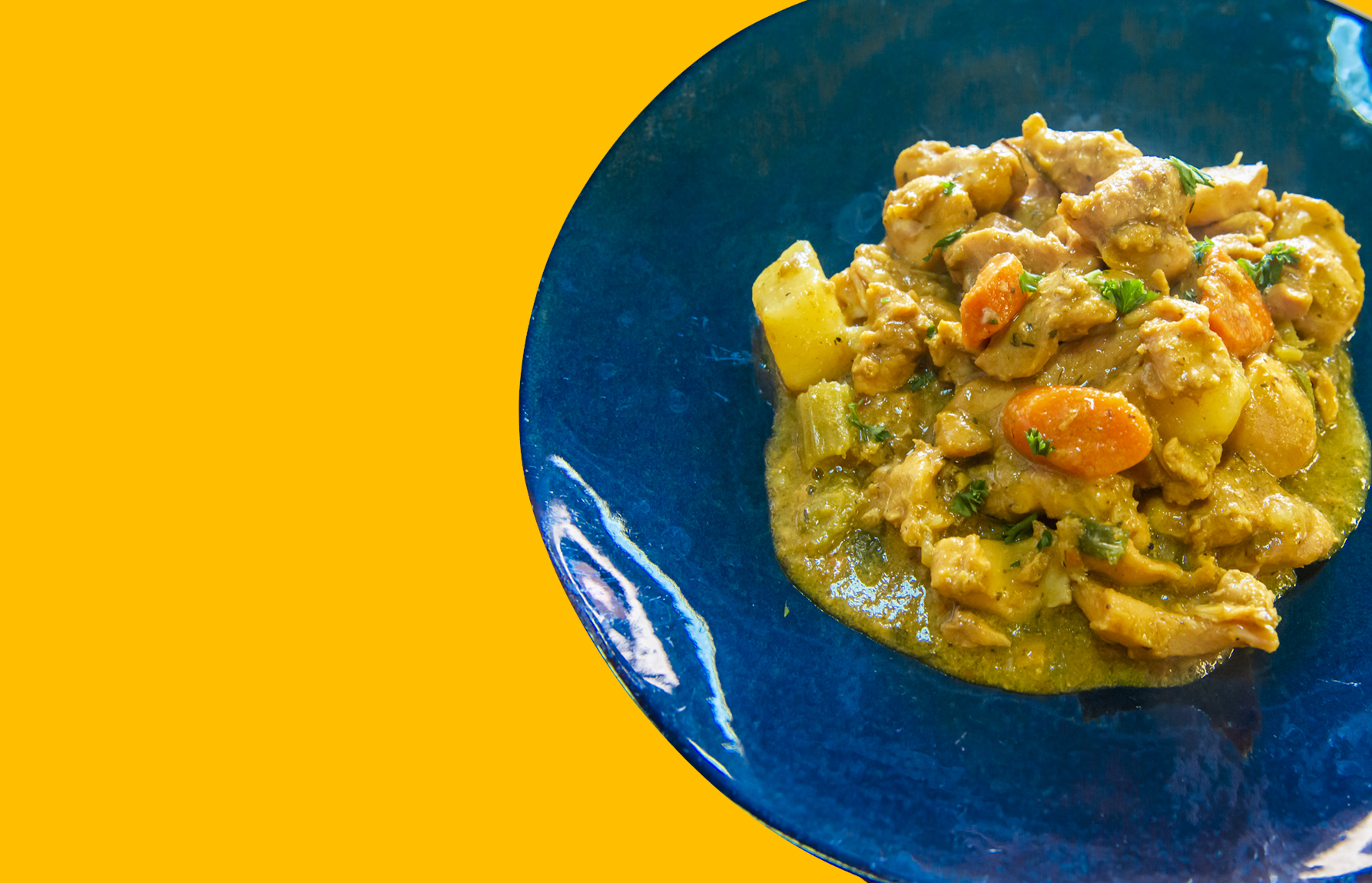
Authentic Jamaican food tends to surprise people twice. The first surprise comes from the flavor itself, because it is often deeper, brighter, and more varied than outsiders expect. The second comes from realizing that Jamaican cooking is not one thing. It is not only jerk, not only heat, and certainly not the narrow version of Caribbean food that appears on resort menus. It is a cuisine shaped by history, migration, agriculture, scarcity, ingenuity, and celebration.
If you are new to Jamaican food, the best place to start is with a simple adjustment in mindset. Think of it less as a collection of famous dishes and more as a food culture built on seasoning, technique, and context. A plate of curry goat tells one story. A breakfast of ackee and saltfish tells another. A Saturday soup, a roadside jerk pan, and a small bakery selling patties each reveal a different side of the island.
I have found that beginners enjoy Jamaican food most when they stop hunting for the single “must-try” meal and start paying attention to patterns. Certain ingredients keep returning. Certain aromas show up across very different dishes. Scotch bonnet peppers, thyme, scallion, pimento, ginger, coconut, allspice, and cured or salted proteins are not random additions. They form part of the cuisine’s backbone.
What makes Jamaican food distinct
Jamaican food sits at the meeting point of many culinary influences, but it does not feel borrowed. It feels settled into itself. African foodways play a central role, especially in the use of provisions, one-pot cooking, seasoning methods, and resourceful use of ingredients. Indigenous Taíno influence remains visible in cooking techniques and ingredients, with one of the clearest examples being jerk, which has roots tied to preservation and smoking methods. Colonial history also left marks, for better or worse, through British staples and systems of trade. Indian and Chinese migration added further layers, particularly in the development of curries, stir-fried dishes, and everyday takeout culture.
That history matters at the table. It explains why a Jamaican menu can move comfortably from pepper pot soup to curried goat, from escovitch fish to bun and cheese, from cocoa tea to fried dumpling. The cuisine is highly seasoned, but seasoning does not always mean raw heat. It often means balance: savory depth from browning, herbal lift from thyme and scallion, sweetness from ripe plantain, acidity from escovitch pickling liquid, and slow-building warmth from Scotch bonnet.
For beginners, this is an important distinction. Many people approach Jamaican food expecting every dish to be aggressively spicy. Some are, but many are not. Heat is a tool, not the whole point.
The flavor base you will encounter again and again
If you cook even a few Jamaican dishes at home, you start to notice a consistent logic. Aromatics are not added casually. They are layered in ways that build a very particular profile.
Scallion, thyme, onion, garlic, ginger, and Scotch bonnet appear constantly. Pimento, also called allspice, is especially important. In Jamaican cooking, pimento is not a background spice in a bakery blend. It is central. It gives jerk much of its warm, woodsy, almost clove-like aroma. Browning, a dark caramelized sauce used in many kitchens, contributes color and a slightly bittersweet note to stews and gravies. Coconut milk softens and rounds out dishes such as rice and peas, rundown, and some soups. Fresh herbs are not decorative. They carry real weight.
One practical point for beginners: recipes from different households can vary a lot, and that does not make one version fake. Jamaican home cooking is full of family preference. One cook uses more thyme, another more pimento. One leaves the Scotch bonnet whole to perfume the pot without overwhelming it. Another cuts it open and lets the dish speak loudly. Authenticity in Jamaican food often lives in method and spirit as much as in rigid measurement.
Jerk is famous for a reason, but it is often misunderstood
Jerk is probably the best-known Jamaican food outside the island, and it is also one of the most diluted in international restaurants. Real jerk should smell like smoke, spice, and pimento before you even taste it. The seasoning usually includes Scotch bonnet, scallion, thyme, pimento, ginger, garlic, and other supporting ingredients, but the cooking method matters just as much. Traditional jerk is associated with slow cooking over pimento wood or similar smoky heat. That combination of seasoning and smoke produces something far more complex than spicy grilled chicken.
The most common versions for first-time eaters are jerk chicken and jerk pork. Jerk pork is especially rich and succulent when done well. Jerk chicken can range from fairly dry to beautifully juicy depending on the cut and the skill of the cook. Dark meat tends to carry the seasoning better and stay moist longer, which is why thigh and leg pieces are often the safer order.
A lot of people think jerk should blast the palate immediately. Good jerk does not need to. The seasoning should unfold. You taste salt, herb, sweetness, smoke, and pepper in stages. If it tastes only of sugar and chili powder, you are eating a shortcut.
The breakfast that catches newcomers off guard
Ackee and saltfish is Jamaica’s national dish, and it can look unfamiliar to first-time diners. Ackee, when cooked properly, has a soft, delicate texture that many people compare loosely to scrambled eggs, though the flavor is milder and more buttery. Paired with saltfish, usually salted cod that has been soaked and flaked, it becomes savory, aromatic, and surprisingly subtle.
This dish often includes onion, tomato, scallion, thyme, and Scotch bonnet. On the plate, it is commonly served with boiled green banana, yam, fried dumpling, or breadfruit, depending on the household or restaurant. For a beginner, the combination may seem unusual, but it is one of the best examples of how Jamaican food balances comfort and character.
There is one detail worth stating clearly. Ackee must be prepared correctly. Unripe ackee is unsafe to eat. That is why people who are new to cooking Jamaican food at home usually start with canned ackee from a reputable source rather than trying to process the fruit themselves.
Rice and peas is not an optional side dish
A common misunderstanding among visitors is that rice and peas is just rice with green peas. In Jamaican cooking, “peas” often means beans, especially red kidney beans or gungo peas depending on the dish and the season. Proper rice and peas is fragrant with coconut milk, thyme, scallion, and sometimes a whole Scotch bonnet simmered in the pot.
When made well, it is not filler. It is one of the central pleasures of the meal. Each grain should be distinct, not mushy. The coconut should be present but not cloying. The seasoning should be noticeable even before the gravy from the main dish touches it. On a good plate, rice and peas acts like an anchor. It absorbs the sauce from oxtail, stew chicken, curry goat, or escovitch fish, and ties the whole meal together.
A useful beginner tip is to pay attention to the rice before you judge the restaurant. If the rice and peas tastes flat, there is a good chance the rest of the kitchen is not working at full strength either.
Dishes worth knowing on your first few visits
When people ask me where to begin with Jamaican food, I usually suggest choosing one dish from each of the major moods of the cuisine: smoky, stewed, curried, and fried or pickled. That gives a fuller picture than ordering three versions of chicken.
Here are four excellent starting points:
- Jerk chicken, for smoke, spice, and the most recognizable flavor profile.
- Oxtail, for richness, slow cooking, and deeply seasoned gravy.
- Curry goat, for the Indo-Caribbean side of the cuisine and tender meat with layered spice.
- Escovitch fish, for sharp, bright contrast through vinegar, onions, carrots, and peppers.
Oxtail is especially beloved, and for good reason. It is slow-cooked until the meat softens and the connective tissue transforms into body and silkiness. The gravy is dark, savory, and often slightly sweet from browning and long cooking. Good oxtail should feel luxurious without being greasy. It is not cheap, which is why it tends to be a treat rather than an everyday budget meal.
Curry goat is another dish that rewards patience. The goat should be marinated and cooked until tender, not chewy. Jamaican curry powder has its own character, distinct from many Indian blends, and cooks often “burn” or bloom the curry in oil first to deepen the flavor. If you try one curry and it tastes harsh or raw, do not assume that is the standard. A good curry goat should taste rounded, fragrant, and settled.
Escovitch fish offers a completely different experience. Usually made with fried fish topped with a vinegary mix of onions, carrots, and peppers, it is sharp, savory, and lively. This is a smart choice for anyone who thinks Jamaican food is always heavy. The acidity cuts through the richness beautifully.
Patties, coco bread, and the food of everyday life
A beginner’s guide to Jamaican food would be incomplete without the foods people grab on the go. The Jamaican patty is one of the island’s most recognizable everyday foods, and when it is done right, it deserves its popularity. The crust should be flaky and lightly stained yellow from turmeric or curry powder. The filling, whether beef, chicken, vegetable, or saltfish, should be moist and assertively seasoned.
A patty slipped into coco bread is one of those combinations that makes perfect sense the moment you eat it. The soft, slightly sweet bread tempers the pastry and catches any juices. It is practical, satisfying, and deeply tied to ordinary life rather than special occasions.
This matters because authentic Jamaican food is not only about celebratory dishes that take hours to prepare. It is also about what people eat between work, after school, on the road, and at neighborhood bakeries. Those everyday foods often tell you as much about a culture as the headline dishes do.
The role of provisions, starches, and soups
One of the easiest ways to misunderstand Jamaican food is to focus only on proteins. The starches and provisions are not background material. They shape the meal. Green banana, yam, cassava, breadfruit, boiled dumplings, festival, and fried dumplings all bring different textures and functions to the table. Some soak up gravy. Some provide sweetness. Some are there to make a meal substantial and sustaining.
Festival, for example, is a lightly sweet fried dough that is often served with jerk. That slight sweetness works because it softens the spice and smoke. Fried dumplings lean more savory and can be paired with saltfish or eaten at breakfast. Boiled dumplings, sometimes called spinners in soup contexts, offer another kind of comfort.
Jamaican soups deserve more attention than they often get abroad. They are frequently hearty, almost meal-like, and built around provisions, meat, herbs, and time. Saturday soup is more than a recipe category in many communities. It is part of a weekly rhythm. Mannish water, red peas soup, chicken foot soup, and pumpkin soup each have their own loyal followings. Even if you are hesitant about certain ingredients, trying a spoonful in the right setting can change your view quickly.
Spice, heat, and how to order wisely
Scotch bonnet peppers are central to Jamaican food, but not every cook handles them the same way. A whole pepper dropped into a pot can perfume the dish with fruity heat without making it punishing. Once that pepper bursts or is chopped in, the intensity rises quickly. This is why two versions of the same dish can taste dramatically different.
If you are spice-sensitive, ask questions. A professional kitchen should be able to tell you whether a dish is mildly seasoned, moderately hot, or truly fiery. Jerk can vary from manageable to intense. Escovitch pepper can sneak up on you because the vinegar carries it across the palate. Pepper shrimp, on the other hand, is often direct and unapologetic.
A smart way to approach your first Jamaican meal is to order one bolder item and one steadier item. Pairing jerk chicken with rice and peas and a cooling side gives you range without fatigue. Ordering three very spicy dishes at once can flatten the experience.
Not every “Jamaican” restaurant serves the same standard
This is where beginner enthusiasm sometimes runs into disappointment. Jamaican food travels well in spirit, but execution varies widely. Some restaurants cook from deep tradition. Others adapt for local tastes, ingredient availability, or speed of service. None of that is automatically wrong, but it does mean your first experience may not represent the cuisine at its best.
A few https://myleshgnt642.scriblorax.com/posts/jamaican-food-favorites-that-never-go-out-of-style signs help. The aroma matters. You should smell seasoning before you taste it. The gravies should have depth, not just salt. The meat should taste seasoned through, not merely coated on the outside. The sides should receive care. If the cabbage, plantain, or rice and peas tastes like an afterthought, the meal is already losing balance.
These details separate food that is technically Jamaican from food that feels lived-in and convincing.
Sweetness, baking, and drinks deserve attention too
Many beginners stay in the savory lane and miss an entire side of the cuisine. Jamaican baked goods and drinks carry their own traditions. Spice bun, especially around Easter, is rich with dried fruit and warm spice. It is commonly eaten with cheese, which sounds odd until you try the sweet-salty contrast. Gizzada, grater cake, toto, and coconut drops reflect the island’s strong relationship with coconut and bold seasoning, even in sweets.
Drinks also complete the picture. Sorrel, often associated with the holiday season, is tart, spiced, and refreshing. Ginger beer has a real ginger bite when homemade or well-made commercially. Irish moss, peanut punch, and cocoa tea each occupy different corners of the comfort spectrum. A proper cocoa tea is not just hot chocolate by another name. It has a fuller, more grounded character from real cocoa and spices.
These pairings matter because Jamaican food is rarely just protein plus starch. Meals and snacks often include contrasts of heat with sweetness, richness with acidity, or spice with something cooling and soft.
If you want to cook Jamaican food at home
Beginners often make two mistakes at home. The first is underseasoning out of caution. The second is throwing every strong flavor into the pot at once and hoping it turns “Caribbean.” Jamaican cooking rewards confidence, but it also rewards restraint and order.
Start with one or two dishes you can repeat. Jerk marinade for chicken is a sensible beginning, as is rice and peas if you pay attention to liquid ratios and cooking time. Brown stew chicken is another useful entry point because it teaches seasoning, browning, and gravy building in a manageable format.
Keep these practical principles in mind:
- Season early when possible, especially for meats that benefit from marinating.
- Use thyme, scallion, onion, and pimento generously, but do not let any one note dominate.
- Respect the Scotch bonnet, you can always add more heat, but you cannot easily take it out.
- Let browning and simmering do their work, many Jamaican dishes develop flavor through time.
- Taste the side dishes seriously, not just the main protein, because balance happens across the plate.
If an ingredient is hard to find, substitutions are possible, but not all substitutions are equal. Habanero can stand in for Scotch bonnet in terms of heat, though the flavor is not identical. Regular dried allspice can help if fresh pimento wood or berries are unavailable. Canned coconut milk is entirely reasonable in many home kitchens. What matters most is understanding the role of each ingredient rather than chasing impossible perfection.
Why authenticity is more than a recipe card
People often use the word authentic as if it means frozen in time. Jamaican food does not work that way. Authenticity can include regional variation, family habits, migration, and adaptation. A Jamaican grandmother in Kingston, a cook in Montego Bay, and a family in London or Toronto may each prepare the same dish with meaningful differences. Those differences are part of the cuisine’s life, not evidence against it.
What should remain recognizable is the underlying character: assertive seasoning, strong aromatic identity, practical intelligence, and a sense that the food knows where it comes from. Jamaican food is bold, but the boldness is disciplined. It is comforting, but rarely bland. It can be festive, but it is also deeply everyday.
For a beginner, that is the best lens to carry into the first meal. Look past the stereotypes. Notice the rice, the smoke, the herbs, the pickles, the starches, the gravies, and the careful use of heat. Order widely over time. Return to dishes that seem simple, because in Jamaican cooking, simple dishes often reveal the most skill.
Once that clicks, authentic Jamaican food stops being a checklist of famous items and starts to feel like what it truly is, a complete and confident cuisine with enormous range, generous flavor, and a very clear point of view.
Reggae Pot Jamaican Grill
2243 S Monaco St Pkwy #104
Denver, CO 80222
+1 720-410-2956
FAQ About jamaican food
What is the best Jamaican food to try in Denver?
The best choice depends on your tastes. Popular options include jerk chicken, curry goat, slow-cooked oxtail, and savory patties. Reggae Pot lists these dishes on its menu, with sides such as rice and peas and plantains. Ask the Denver team about current availability and spice levels.
Is Jamaican food very spicy in Denver?
Heat varies by dish and preparation. Jerk seasoning often includes scotch bonnet peppers alongside herbs and allspice, while other dishes may have gentler seasoning. Ask about the heat of the specific dish and any sauce before ordering.
What are some popular Jamaican snacks?
Jamaican patties are a popular snack made with flaky pastry and savory meat or vegetable fillings. Other options include fried dumplings and festival, a sweet fried dough often served with savory dishes. Availability varies, so check the current menu when ordering.