Entry · Ref NO0U7X-J
A Home Cook’s Guide to Traditional Jamaican Food
- Posted
- 2026-11-06
- Last amended
- 2026-11-06
- Account
- @beckettulnm197

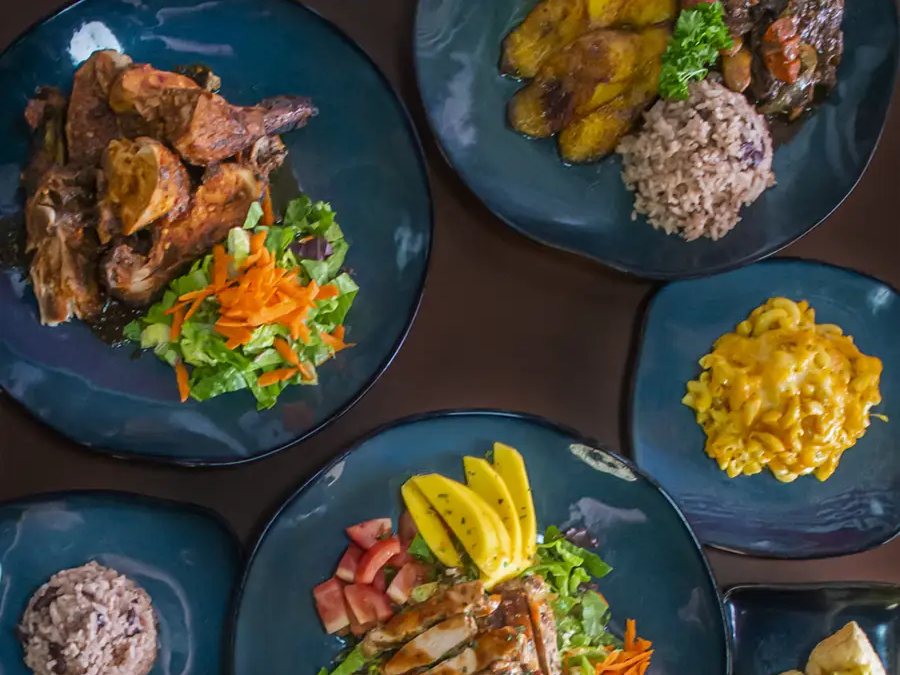
Jamaican food has a way of announcing itself before it reaches the table. You smell allspice and scallion in the air, catch the heat of Scotch bonnet in the back of your nose, and hear a pot bubbling away long before the first bite. For home cooks, that sensory depth is part of the appeal. Traditional Jamaican cooking is bold, but it is not careless. The flavors are layered with intention, often built from a few foundational ingredients handled with patience and confidence.
If you are cooking Jamaican food at home for the first time, it helps to let go of the idea that every dish must be fiery or complicated. Some are spicy, yes, but just as many lean savory, earthy, sweet, or gently perfumed with thyme, pimento, coconut, and ginger. The cuisine reflects a long history of African, Indigenous, European, Indian, and Chinese influences, all absorbed into something distinctly Jamaican. That is why a single meal can move from a peppery, smoke-scented meat to soft fried plantains, rice cooked in coconut milk, and a cool drink made with sorrel or https://israelpuqx230.theburnward.com/how-to-cook-authentic-jamaican-food-in-your-own-kitchen-1 ginger.
Home cooking is where these dishes make the most sense. Restaurant versions can be excellent, but they often flatten the nuance in favor of heat or spectacle. In a home kitchen, you start to understand why a stew gets brown sugar before the meat goes in, why the green seasoning matters, and why no one who knows the food rushes a proper pot of rice and peas.
The pantry that gives Jamaican food its backbone
A Jamaican kitchen does not need to be large, but it does rely on a recognizable set of ingredients. Once those are in place, many traditional dishes begin to feel accessible.
Scallion, thyme, onion, garlic, ginger, and Scotch bonnet peppers form the aromatic base of countless recipes. They show up in marinades, stews, soups, and rice. Pimento, also called allspice, is especially important. In many cuisines it is used lightly, but in Jamaican food it carries real weight. Whole berries go into pots of beans or soup, and ground pimento appears in jerk seasoning, where its warm clove-cinnamon-pepper profile gives the blend its unmistakable identity.
Then there are the staples that shape the plate. Rice, dried kidney beans or gungo peas, green bananas, yams, cassava, sweet potatoes, and plantains all feature heavily. Saltfish, salted meats, fresh chicken, goat, oxtail, and a wide range of seafood round out the savory side. Coconut milk, browning sauce, curry powder, and fresh herbs tie everything together.
Scotch bonnet deserves special mention because it is both famous and often mishandled. Its heat is significant, but the pepper is not used only to make food aggressively spicy. It has a fruity, almost floral note that gives Jamaican food part of its lift. In some recipes, a whole Scotch bonnet is dropped into the pot and left intact so it perfumes the dish without bursting. That technique is worth learning. It is one of the simplest ways to control heat while keeping the character of the food.
Seasoning is not a last-minute act
One of the biggest differences between average Jamaican food and memorable Jamaican food comes down to when seasoning happens. It starts early. Meat is washed and trimmed according to family habit, then rubbed or marinated with fresh seasonings, salt, black pepper, thyme, scallion, garlic, onion, and often a little all-purpose seasoning or curry blend, depending on the dish. Resting time matters. Even an hour helps, but overnight is where the flavors really settle in.
This is also a cuisine that respects browning. Browning sauce, whether store-bought or made from caramelized sugar, adds color and a faint bittersweet edge to stews. Used well, it deepens flavor. Used heavily, it can turn the pot harsh. The line is thinner than many recipes admit. A teaspoon or two can be enough for a home-sized batch.
Jamaican curry offers another useful lesson. It is not interchangeable with generic curry powder. Jamaican curry powder tends to lean strongly on turmeric, coriander, fenugreek, and allspice, and many cooks “burn” or bloom it in oil before adding meat or liquid. That brief frying takes off the raw edge and gives the dish a rounder finish. If you skip that step, the curry can taste dusty no matter how long it simmers.
Jerk is technique as much as seasoning
Outside Jamaica, jerk is often reduced to a bottled sauce or a vague promise of spice. Traditional jerk is far more specific. It is a method rooted in seasoning, smoking, and slow cooking, historically associated with maroons who preserved and cooked meat in the hills. The classic meats are pork and chicken, though fish can also be jerked successfully.
A proper jerk marinade usually contains Scotch bonnet, scallion, thyme, pimento, ginger, garlic, onion, black pepper, salt, and sometimes cinnamon, nutmeg, soy sauce, brown sugar, or vinegar. The balance matters. It should taste hot, fragrant, savory, and slightly sweet. No single note should bully the rest.
The other half of jerk is smoke. In Jamaica, jerk is traditionally cooked over pimento wood, often with leaves or makeshift covers that trap smoke and heat. Most home cooks elsewhere do not have access to that setup, and that is fine. You can get surprisingly close with a charcoal grill and a handful of allspice berries or wood chips in a smoker box. In an oven, you will capture the seasoning but not the full aromatic depth. That does not make the result inauthentic, only different.
The common mistake is to over-marinate delicate cuts until the salt overwhelms them, then cook them too fast. Bone-in chicken thighs and legs respond especially well to jerk at home because they stay moist and take on color without drying out. Pork shoulder is excellent if you have time. Chicken breast is possible, but it gives you less margin for error.
The dishes that define a Jamaican home table
If jerk is the most internationally recognized expression of Jamaican food, it is not the daily center of most home cooking. The everyday table often leans toward stews, curried dishes, rice preparations, and hearty breakfasts that can carry someone through a long day.
Rice and peas is one of the most misunderstood dishes by non-Jamaicans, partly because “peas” here usually means kidney beans or pigeon peas rather than green peas. The rice cooks with coconut milk, beans, thyme, scallion, onion, garlic, and pimento. Done well, each grain stays separate, lightly coated in rich coconut flavor, with enough salt to make the whole pot feel alive. Done poorly, it turns heavy, bland, or mushy. The ratio of liquid to rice matters, but so does restraint. Coconut milk should enrich, not drown.
Stew chicken is another cornerstone. The chicken is seasoned, lightly browned, then simmered with onion, scallion, thyme, tomato, pepper, and often carrots. The sauce should cling rather than flood the plate. A good stew chicken has a dark, glossy finish and a sweetness at the edges from caramelization. Many cooks swear the flavor is best the day after, and they are usually right.
Curry goat appears at celebrations, Sunday dinners, and gatherings where nobody minds waiting. Goat needs time. There is no shortcut that preserves the same texture and depth. Pressure cookers help, but even then, the meat benefits from marinating and from simmering long enough for the sauce to settle into itself. The best versions are rich but not greasy, with tender pieces that still hold shape.
Ackee and saltfish is perhaps the national dish most likely to confuse a first-time cook. Ackee, when prepared correctly, is delicate and buttery, almost like soft scrambled eggs in texture, though its flavor is milder and more nutty. It is traditionally sautéed with flaked salt cod, onion, tomato, scallion, thyme, and Scotch bonnet. The key is gentle handling. Ackee breaks easily and should be folded, not stirred aggressively. Saltfish should taste savory, not punishingly salty, which means soaking and boiling matter.
Callaloo deserves more attention than it often gets outside Jamaica. Whether cooked down with garlic, onion, thyme, and pepper, or paired with saltfish, it brings a slightly mineral, green depth to the table. It also reveals a broader truth about Jamaican food, which is that vegetables are not decorative. They are central.
Breakfast tells you a lot about the cuisine
Some of the most revealing Jamaican meals happen in the morning. Traditional breakfasts are substantial, practical, and deeply flavorful. Ackee and saltfish may be served with fried dumplings, boiled green bananas, roasted breadfruit, or yam. Porridges made from cornmeal, peanut, banana, oats, or hominy are common, often spiced with cinnamon and nutmeg.
Fried dumplings are worth learning because they accompany so many plates. A good one is crisp outside, soft but not doughy inside, and lightly salted. Festival, its sweeter cousin often served with fried fish, is different in both flavor and purpose. It is slightly sweet, elongated, and designed to play against salty, spicy foods.
Boiled provisions, a category that includes yams, green bananas, dumplings, and sometimes sweet potato, can look plain to the uninitiated. They are anything but irrelevant. Their job is to absorb sauces, temper spice, and provide ballast. A plate with saltfish or mackerel often needs something starchy and neutral beside it. Jamaican food understands contrast exceptionally well.
Fish, festivals, and the coast on a plate
Jamaica’s seafood traditions deserve equal billing with its better-known meat dishes. Escovitch fish is one of the clearest examples. Whole fried fish, often snapper, is topped with a sharp mixture of vinegar, carrots, onion, and Scotch bonnet peppers. The fish should be crisp, the pickled topping lively and acidic. The interplay between hot fish and tart vegetables is what makes the dish sing.
This is where festival often enters the picture, offering sweetness and crunch beside the vinegar and heat. It is one of those combinations that sounds slightly unlikely on paper and completely sensible on the plate.
Run down, another classic, cooks fish in seasoned coconut milk until the sauce reduces and turns savory, rich, and fragrant. Mackerel run down is especially loved. It tastes coastal in the most direct way, creamy from coconut milk, lifted by thyme and pepper, and substantial enough to stand next to boiled green bananas or dumplings.
For home cooks, fish can be one of the easier gateways into Jamaican food because the seasoning windows are shorter and the cooking times more forgiving than with tougher meats. The main caution is balance. It is easy to over-salt seafood when using pre-salted or canned ingredients, and easy to bury delicate fish under too much Scotch bonnet or browning.
Soup is never just soup
In many kitchens, soup is a side note. In Jamaica, it can feel almost ceremonial. Saturday soup in particular carries weight, whether it is red peas soup, chicken foot soup, mannish water, or fish tea. These are not thin broths meant to disappear quietly before the main course. They are full-bodied, often built around ground provisions, dumplings, and deeply seasoned stock.
Red peas soup commonly includes kidney beans, salted beef or pig’s tail, pumpkin, yams, potatoes, dumplings, and coconut milk. The result is thick, savory, and filling enough to count as lunch. Fish tea, despite the name, is not tea in the conventional sense but a light, clear fish soup sharpened with herbs and pepper. It is restorative in the way only well-made broth can be.
Soup teaches patience. You cannot fake the texture of a dumpling that has simmered properly, or the body that beans and provisions lend to the pot over time. If there is one category where Jamaican home cooking most rewards the unhurried cook, this is it.
What to know before you start cooking Jamaican food at home
Many first attempts go wrong for predictable reasons. The ingredients are usually not the issue. Timing, heat control, and seasoning discipline are.
Here are the home-cook lessons that matter most:
- Taste for salt after salted meats or saltfish go into the pot, not before.
- Use Scotch bonnet with respect, keeping it whole when you want flavor more than heat.
- Let meats marinate long enough to absorb fresh seasonings.
- Do not crowd the pan when browning chicken or meat for stew.
- Give rice time to steam after the heat goes off, rather than stirring it immediately.
Those five habits solve an astonishing number of problems.
Another point worth making is that substitutions can work, but not all substitutions are equal. Habanero can stand in for Scotch bonnet in a pinch, though the flavor is not identical. Spinach can replace callaloo in some home settings, but it cooks softer and lacks the same mineral backbone. Canned beans are serviceable for rice and peas when time is tight, but the liquid from freshly cooked beans gives better flavor and a more integrated finish.
What you should not do is replace allspice with a random “warm spice” blend and call it even. Pimento is too central. The same goes for thyme. Dried thyme can work in long-cooked dishes, but fresh thyme contributes a brightness that packaged blends cannot quite mimic.
Building a Jamaican meal without overwhelming yourself
A full traditional spread can be ambitious, especially if you are new to the cuisine. It is smarter to pair one labor-intensive dish with simpler sides. Jerk chicken with rice and peas and a quick cabbage sauté is a manageable dinner. Curry goat, by contrast, may deserve easier companions such as plain rice, sliced avocado, and fried plantain.
One of the pleasures of Jamaican food is that many meals can be assembled through contrast rather than complexity. A rich main dish benefits from something fresh or lightly acidic. Spicy elements need something starchy. Fried components want a counterpart that feels soft or juicy. This is why a plate can include escovitch fish, festival, and a simple side salad and still feel complete.
If you cook for a family, leftovers are not a compromise here. Stews often improve overnight. Rice and peas reheats well when covered and moistened slightly. Even jerk chicken can be repurposed into sandwiches, rice bowls, or chopped fillings for wraps the next day.
The rhythm of the kitchen matters as much as the recipe
People often ask for the most authentic Jamaican food recipe, but authenticity in home cooking is rarely a single document. It is technique, rhythm, and sensory judgment. It is knowing when the pot smells raw, when the curry has fried enough, when the stew has reduced to the right consistency, when the dumpling is cooked through by feel rather than by timer.
That judgment comes from repetition. The first time you make rice and peas, you may fuss over measurements. By the fourth or fifth time, you will start recognizing the look of properly hydrated rice, the scent of thyme and coconut when the pot is close, and the exact point when it should be covered and left alone. That is the real apprenticeship of Jamaican food at home.
It also helps to accept that family recipes vary. One household uses more tomato in stew chicken, another none at all. One cook sweetens festival a little more, another keeps it restrained. Some versions of curry goat include potato, others do not. These variations do not weaken the cuisine. They prove that it lives in practice, not only in printed formulas.
A few pairings worth remembering
When you are planning menus, a handful of combinations come up again and again for good reason:
| Main dish | Traditional companions | |---|---| | jerk chicken | rice and peas, festival, fried plantain, cabbage | | ackee and saltfish | fried dumpling, boiled green banana, yam, breadfruit | | escovitch fish | festival, bammy, hard dough bread, salad | | curry goat | white rice or rice and peas, coleslaw, plantain | | stew chicken | rice and peas, potato salad, steamed vegetables |
A table like this is not a rulebook. It is a way to understand how Jamaican food balances heat, richness, starch, acid, and texture across the plate.
Why traditional Jamaican food rewards the home cook
There is a practical generosity to Jamaican food that makes it ideal for home kitchens. It stretches less expensive cuts into memorable meals. It uses pantry staples intelligently. It welcomes improvisation once you understand the base flavors. Most of all, it invites people to gather. A pot of soup, a tray of jerk chicken, or a pan of stew set in the middle of the table does more than feed people. It creates a pace of eating and talking that feels grounded.
For cooks willing to season assertively, taste as they go, and let the food take its time, traditional Jamaican food offers an enormous return. The flavors are vivid, but the methods are often straightforward once you see their logic. Start with one dish you genuinely want to eat, not the one that seems most famous. Build your pantry slowly. Learn the scent of pimento and thyme in hot oil. Let the rice steam. Handle the Scotch bonnet with care. The cuisine will open up from there, one pot at a time.
Reggae Pot Jamaican Grill
2243 S Monaco St Pkwy #104
Denver, CO 80222
+1 720-410-2956
FAQ About jamaican food
What is the best Jamaican food to try in Denver?
The best choice depends on your tastes. Popular options include jerk chicken, curry goat, slow-cooked oxtail, and savory patties. Reggae Pot lists these dishes on its menu, with sides such as rice and peas and plantains. Ask the Denver team about current availability and spice levels.
Is Jamaican food very spicy in Denver?
Heat varies by dish and preparation. Jerk seasoning often includes scotch bonnet peppers alongside herbs and allspice, while other dishes may have gentler seasoning. Ask about the heat of the specific dish and any sauce before ordering.
What are some popular Jamaican snacks?
Jamaican patties are a popular snack made with flaky pastry and savory meat or vegetable fillings. Other options include fried dumplings and festival, a sweet fried dough often served with savory dishes. Availability varies, so check the current menu when ordering.