Entry · Ref 7C7EDVL7
Caribbean Food Denver: Delicious Island Eats Near You
- Posted
- 2026-11-27
- Last amended
- 2026-11-27
- Account
- @beckettulnm197
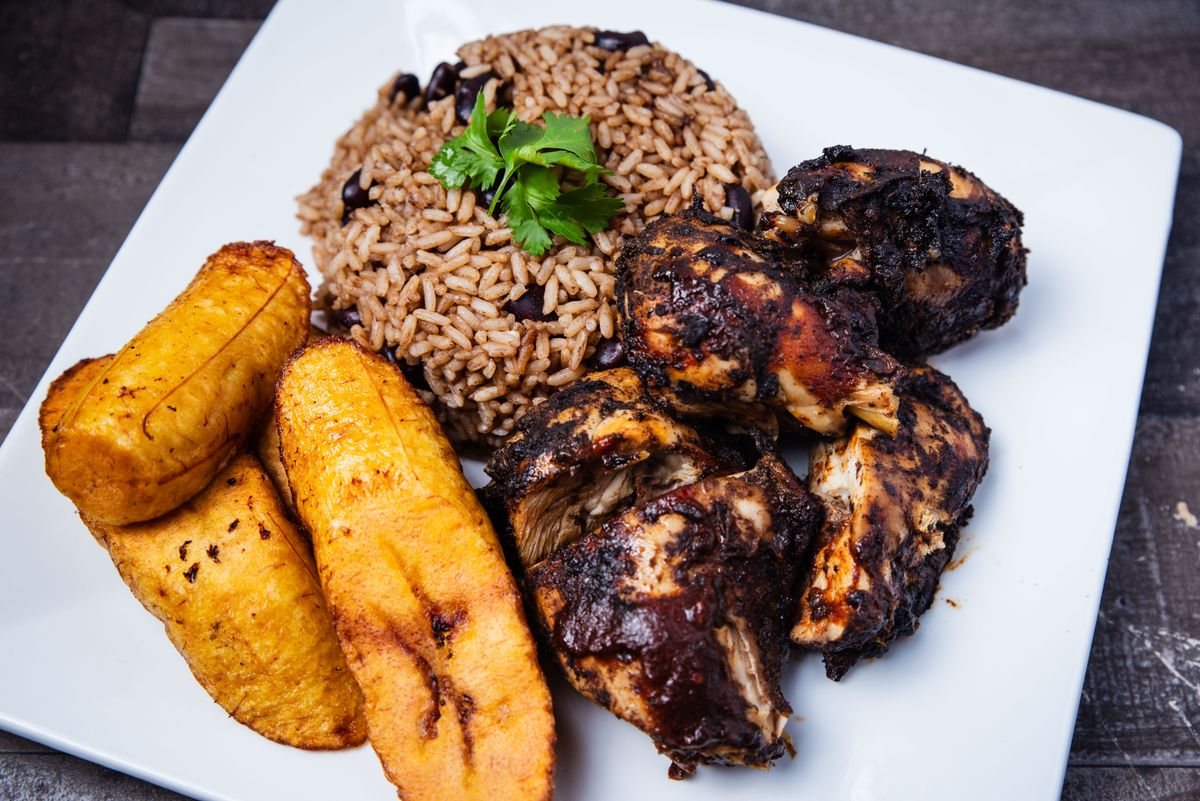
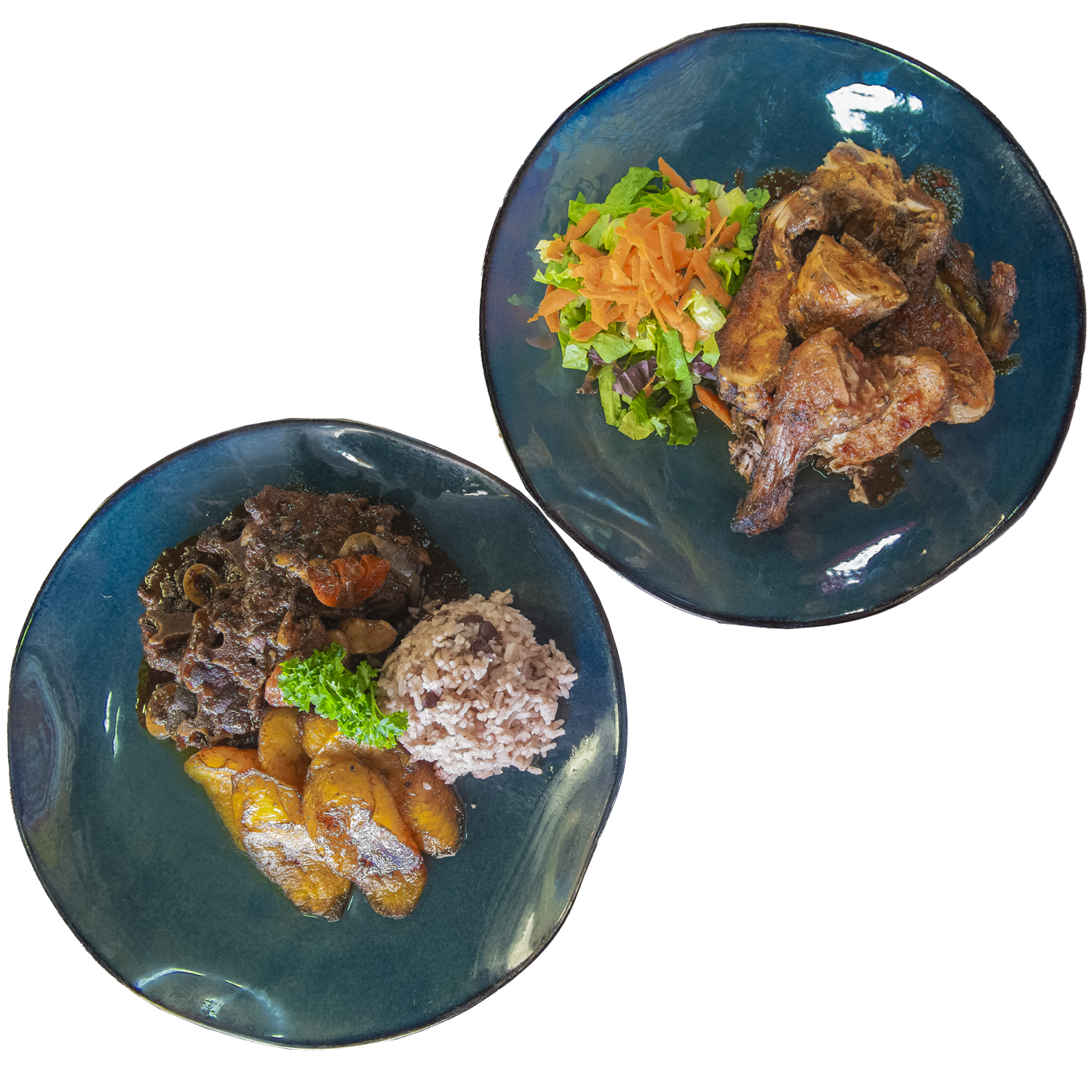
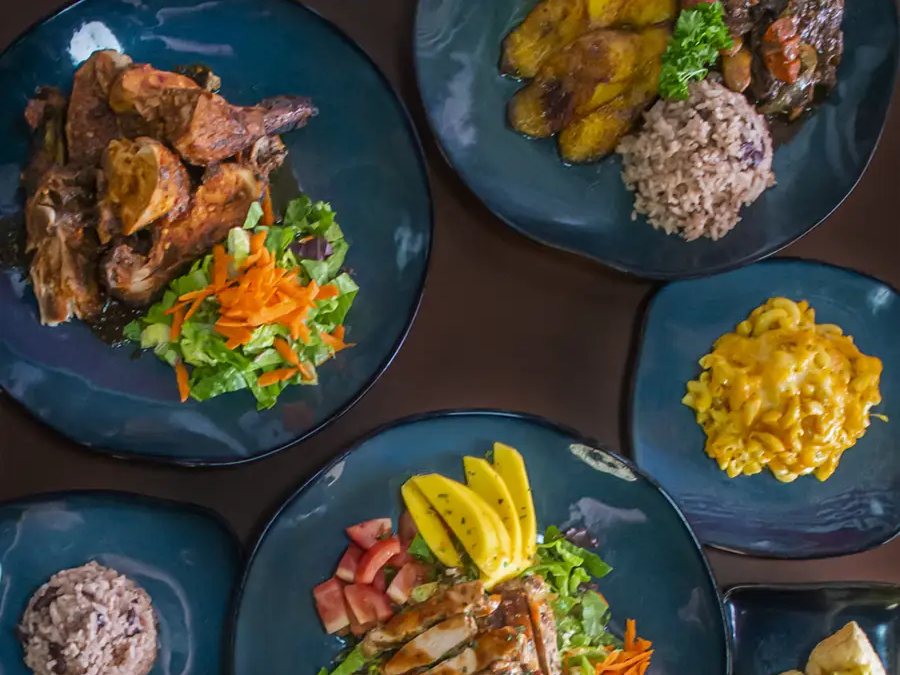
Denver is not the first city most people associate with Caribbean cooking, which is exactly why the good spots feel like such a find. You can spend years here eating well across every price point, then turn a corner and catch the smell of allspice, thyme, Scotch bonnet, or slow-braised oxtail drifting out of a small dining room, food truck window, or market kitchen. That moment tends to reset your expectations.
The phrase caribbean food denver covers a lot of ground. It can mean Jamaican jerk chicken with smoke and heat, Trinidadian doubles wrapped in paper and eaten standing up, Haitian griot with pikliz, Puerto Rican pernil, Cuban roast pork, or a plate of rice and peas alongside curry goat and plantains. These dishes share ingredients and histories, but they do not taste interchangeable. The region is broad, shaped by African, Indigenous, Spanish, French, British, Indian, Chinese, and Middle Eastern influences, and the food reflects centuries of movement and adaptation.
In Denver, that variety shows up in a practical, local way. You may not find a dense block of island restaurants the way you would in parts of New York, South Florida, or Toronto, but you can still eat extremely well if you know what you are looking for. Some of the best meals come from chefs serving a tight menu built around a few specialties. Others appear at weekend pop-ups, family-run counters, brewery collaborations, or neighborhood events where the line forms early and stays steady until sellout.
What follows is a grounded look at how to find good Caribbean food in Denver, what to order, what separates one island tradition from another, and how to tell whether a kitchen is giving you the real thing or a watered-down version built for the timid palate.
What makes Caribbean food so compelling
Good Caribbean cooking is generous without being sloppy. Flavors are layered, not piled on. Heat matters, but so do sweetness, acid, smoke, herbs, and texture. A strong plate often balances several of those at once. Think crisp-edged fried plantains next to deeply savory beans, or tender braised meat cut through with a sharp slaw of pickled cabbage and carrot. Even humble sides are rarely afterthoughts.
One reason people keep coming back is the way these meals satisfy on different levels. There is comfort in a stew that has simmered for hours, but there is also brightness and energy in the condiments and starches around it. A spoonful of rice and peas can calm a fiery jerk marinade. A flaky patty can be a snack on the move or the start of a full lunch. A bowl of curry can be warming in cold weather, which matters in Denver more than people from warmer climates usually expect.
Altitude and season also shape how the food lands here. Denver diners often want heartier fare for much of the year, and Caribbean kitchens are well suited to that demand. Braises, stews, roasts, fried doughs, rice dishes, and grilled meats all hold up beautifully when the weather turns. At the same time, fresh fruit drinks, pepper sauces, and citrusy marinades keep the cuisine lively rather than heavy.
The dishes worth chasing first
If you are new to the scene, it helps to start with a few benchmark dishes. They reveal a lot about a kitchen’s priorities. A restaurant can have a broad menu, but the staples usually tell the clearest story.
Jerk chicken is the obvious entry point, but it is also one of the easiest dishes to do poorly. Real jerk should taste seasoned all the way through, not just painted with a spicy glaze. The best versions carry smoke, char, and a distinct allspice note, with thyme and chile heat riding underneath. If the chicken is vivid red, sugary, or oddly sticky, that is often a sign the kitchen is leaning on sauce rather than technique.
Curry goat is another standard for good reason. When it is right, the meat is soft without collapsing into mush, and the curry tastes earthy, aromatic, and developed. Goat has a distinct flavor that stands up to long cooking, so this dish can handle bold seasoning. Served with rice and peas, it becomes one of the most satisfying plates in any Caribbean repertoire.
Oxtail tells you whether a kitchen understands patience. This is not a shortcut dish. The sauce should be rich and glossy from collagen, not thin and hurried. The meat should come away easily caribbean food denver while still feeling substantial. A serious oxtail plate often costs more than chicken dishes, and that is fair. It is expensive to make well.
Plantains deserve more respect than they sometimes get. Sweet fried ripe plantains should be caramelized at the edges and soft inside. Green plantains, whether smashed into tostones or worked into another preparation, bring a different pleasure entirely, more savory and starchy, sometimes with a crisp shell that invites a dip or sauce.
Then there are the portable classics. Patties, doubles, and meat pies are ideal if you want to sample without committing to a giant plate. A well-made beef patty should have a flaky crust and a filling that tastes spiced, not merely salty. Doubles, with curried chickpeas tucked into soft fried bara and hit with tamarind, pepper, or cucumber, can be one of the most craveable street foods anywhere.
Not all island cuisines taste the same
People often use “Caribbean food” as shorthand for Jamaican food, mostly because Jamaican dishes have become the most visible in many American cities. Denver is no exception. But reducing the region to one style leaves a lot on the table.
Jamaican cooking often leans into jerk seasoning, escovitch techniques, patties, ackee and saltfish, curry, and braised meats with strong spice structure. Trinidad and Tobago bring a different energy, especially through roti, doubles, and the Indo-Caribbean tradition of curries and chutneys. Cuban food tends to focus more on roast pork, black beans, rice, yuca, and sandwiches, with seasoning that can be bold but is usually less chile-driven than Jamaican fare. Puerto Rican food offers mofongo, pernil, arroz con gandules, and a deep affection for garlic, sofrito, and pork. Haitian cooking introduces dishes like griot, tassot, diri kole, and the unmistakable snap of pikliz, that bright, spicy pickled relish that can wake up an entire plate.
When you search for caribbean food denver, it helps to know which island tradition you want. A diner craving smoky jerk may leave disappointed if they end up at a place focused on Cuban comfort food, even if the cooking is excellent. Likewise, someone hoping for doubles or roti will not find the experience they want at a pan-Caribbean spot built around grill plates and rice bowls.
How Denver’s Caribbean scene tends to work
In some cities, island food clusters in a few well-known neighborhoods and stays stable for years. Denver often operates differently. The scene can be more dispersed and more mobile. A chef may start with pop-ups, move into a shared kitchen, add a food truck, test dishes at community markets, then open a brick-and-mortar later. Another operator may keep a loyal following through catering and weekend service without ever building a full restaurant.
That means the best Caribbean food in Denver is not always the easiest to discover from a casual drive-by. Social media, community calendars, and word of mouth matter more here than in places where foot traffic alone keeps a restaurant full. It also means menus may be tighter and hours less predictable. That is not a bad sign. In fact, limited hours and a short menu can indicate a kitchen focused on doing a few dishes properly instead of stretching thin.
The metro area also matters. Some worthwhile spots may sit outside the downtown core or closer to neighborhoods where diverse immigrant communities shop and eat regularly. It is smart to expand your search beyond central Denver if you want a fuller picture. Sometimes the most memorable meals come from places that do not look designed for tourists, and that is often a good thing.
What to look for when choosing a spot
The strongest Caribbean kitchens usually reveal themselves through details. The menu reads with confidence. Side dishes are treated with care. The spice profile feels intentional rather than generic. Staff can tell you what is house-made and what sells out first.
A few signs are especially promising:
- A short menu with recognizable specialties
- Sides like rice and peas, cabbage, callaloo, or plantains prepared with personality
- House pepper sauce, chutney, or pickles on hand
- Rotating specials that reflect actual cooking traditions
- Sellouts late in service, especially for braised meats or baked items
The opposite signs are just as useful. If every protein comes in the same sweet sauce, if jerk tastes like barbecue with extra cayenne, or if the rice is plain and forgettable, you are probably not seeing the kitchen at full strength. Caribbean food has range, but it should not feel flattened.
Ordering well the first time
When I am trying a new Caribbean restaurant, I usually avoid overcomplicating the first visit. The goal is not to sample everything. It is to understand the kitchen. A plate built around one signature protein, one starch, one vegetable, and one condiment gives you enough information to judge both seasoning and balance.
A smart first order might be jerk chicken or curry goat with rice and peas and plantains. If the place is known for patties or doubles, add one on the side. If there is a house drink, especially sorrel, ginger beer, or a fresh fruit option, it is worth trying. These drinks often tell you whether the operation cares about the full meal rather than just the headline items.
Spice is where many diners hesitate. Some Denver kitchens tone things down because they know local customers vary widely in tolerance. Others keep the heat level authentic and let you decide how far to go with added sauce. Ask directly. A quick question can save you from a bland plate or an unexpectedly punishing one. Most experienced servers appreciate the chance to steer you honestly.
Portion size is another practical consideration. Many Caribbean plates are substantial. Braised meats, rice, and fried sides add up fast. If you are dining solo and want to try multiple things, sharing is the better move. If you are ordering takeout, the food often reheats well, especially curries, stews, and rice dishes, which can taste even more integrated the next day.
The role of seasoning, smoke, and heat
People who have only had simplified versions of island cooking often think the cuisine is mainly about chile heat. It is not. Heat matters, but it is one instrument in a larger arrangement. The deeper signatures are seasoning and aroma.
Allspice is one of the classic markers, especially in Jamaican jerk. Thyme appears across many kitchens. Garlic, scallion, onion, ginger, citrus, curry blends, cloves, and black pepper all show up in different combinations. Marinades do real work here. So do long cooking times. A properly seasoned chicken leg or braised oxtail should taste developed from the inside, not just coated at the end.
Smoke is equally important in certain traditions. Jerk, especially, loses something essential when it is baked and sauced without any contact with flame or wood. That does not mean every restaurant needs a traditional pit, which can be difficult to maintain in an urban setting with local regulations. But there should be some expression of char and smoke if the menu says jerk.
Then there is acid. Vinegar slaws, escovitch vegetables, tamarind, citrus, and pickled condiments are often what make a rich plate sing. Without that lift, the meal can feel one-note, especially at altitude where heavy food can sit hard if it lacks contrast.
Why sides matter more than people think
A lot of diners judge a meal by the meat alone. In Caribbean cooking, that is a mistake. The sides are where skill and generosity often show themselves most clearly.
Rice and peas is the clearest example. It sounds simple until you eat a good version. The grains should be separate, flavorful, and aromatic, often carrying coconut, thyme, scallion, or bean broth depending on the tradition. If the rice tastes like plain steamed grains with beans stirred in, the kitchen is missing an opportunity.
Cabbage is another quiet benchmark. It can arrive sautéed, steamed, or lightly braised, usually with peppers, onions, or carrots. Done well, it balances richer items without fading into the background. Macaroni pie or baked mac and cheese, where offered, should taste seasoned and structured, not like a random side pulled from another cuisine entirely.
Plantains, callaloo, yuca, festival bread, coco bread, and beans all deserve attention too. They are not filler. They are part of the architecture of the meal. Many longtime diners can tell you that a mediocre main with exceptional sides still makes for a pleasant lunch, while a strong protein over weak starches and vegetables leaves the plate feeling incomplete.
The hidden strength of Caribbean takeout
Caribbean food travels unusually well. This is one reason it fits Denver’s dining habits, where takeout and casual pickup remain important. Braises hold heat. Rice settles. Fried items lose some edge over time, but many still stay enjoyable, especially if packed properly. A curry or oxtail dinner can be every bit as satisfying at home as in the dining room.
Takeout does change how you should order. I would skip anything whose whole appeal depends on immediate crispness unless you live nearby. Save fresh fried plantains, tostones, or delicate pastries for dine-in if possible. Lean into stews, curries, rice dishes, and roasted meats instead. If there is a separate container of sauce or pikliz, keep it separate until serving to preserve texture.
This is also where Caribbean restaurants can become part of a household routine instead of a one-off indulgence. A family-size tray of jerk chicken, rice, cabbage, and plantains can feed several people well. Leftovers become next-day lunches that hold up better than most sandwiches or salads. For busy weeks, that reliability counts.
Pairing food with the right drink
The best drink with Caribbean food depends on the dish more than people realize. Rich, spicy meats call for something cooling or sharp. Sorrel has a tart, spiced quality that works beautifully with holiday-style roasts and braises. Ginger drinks cut through fatty meats. Fresh fruit beverages, depending on sweetness, can soften chile heat and refresh the palate between bites.
If you are pairing with beer, crisp lagers and light ales usually work better than heavily hopped styles. Bitterness can fight the spices. Rum cocktails can be wonderful, but sweetness needs restraint. A cloying drink beside jerk chicken or curry goat can tire the palate quickly.
At home, sparkling water with lime does more work than many people expect. It clears the mouth and lets the food lead. That is useful with dishes carrying smoke, pepper, and long-cooked richness.
If you are cooking at home after a Denver meal inspires you
Many people go looking for Caribbean food in Denver, have one memorable plate, and then decide to try cooking some of it themselves. That impulse makes sense. The cuisine is full of dishes that reward patience more than fancy equipment.
The challenge is ingredient quality and balance. Scotch bonnet peppers, fresh thyme, good curry blends, allspice, and the right cuts of meat matter. So does restraint. It is easy to overdo sweetness, underdo salt, or confuse “spicy” with “seasoned.” A lot of home attempts fail because the marinade goes on the surface for an hour instead of penetrating overnight. Another common miss is cooking until the meat is merely done instead of cooking until the texture and sauce both deepen.
For Denver cooks, finding ingredients may require a little searching, especially if you want specialty peppers, cassava products, or certain spice blends. But the city’s broader international food landscape helps. Markets serving African, Latin American, and South Asian communities often stock overlapping ingredients that Caribbean cooking relies on.
The emotional pull of island food, even far from the coast
Part of the appeal of Caribbean food has nothing to do with trendiness. It is memory food, celebration food, Sunday food, lunch counter food, party tray food. It carries family habits and migration stories. Even for diners with no personal connection to the islands, that sense of rootedness comes through. You taste when a dish belongs to someone, when it comes from repetition rather than concept.
That matters in Denver, reggaepotjamaicangrill.com caribbean food denver where diners often seek meals with character and specificity. A strong Caribbean restaurant does not just provide another protein bowl or generic grilled entrée. It offers a point of view. It says, this is how we season chicken, this is how we braise oxtail, this is the pepper sauce we keep on the table, this is the rice we grew up eating with everything. The best places feel lived in, even when they are new.
And because the local scene is still emerging compared with larger coastal cities, there is a sense of discovery that remains intact. Finding a kitchen that nails jerk smoke, produces flaky patties, or sends out a deeply comforting curry in the middle of a cold Denver week still feels special. It should.
Finding your go-to spot
The most useful approach is to stay curious and return with purpose. Try one place for jerk. Another for patties. Another because a friend from Trinidad says the doubles are close to what they grew up with. If a restaurant posts a weekend special that rarely appears, go. If a market is known for hot food trays near lunch, do not wait until midafternoon. Some dishes are best when the first batch is fresh, others when the pot has had another hour to settle. Regulars know the difference.
Over time, your personal map of caribbean food denver will probably include more than one address. That is how it should be. Island cuisines are too varied, and Denver’s food culture too spread out, for one restaurant to do everything equally well. The reward for exploring is not just a better meal. It is learning how many voices exist within a category that often gets oversimplified.
For diners willing to look beyond the obvious, Denver offers more than enough to justify the search. The city’s Caribbean food may still feel like a hidden corner of the local dining scene, but hidden does not mean small in flavor. Quite the opposite. The best plates are bold, patient, fragrant, and memorable, exactly the kind of meals that turn a casual craving into a standing habit.
Reggae Pot Jamaican Grill
2243 S Monaco St Pkwy, Suite 104
Denver, CO 80222
(720) 410-2956
FAQ About caribbean food denver
What is a typical Caribbean meal?
Caribbean cuisines vary by island. A Jamaican meal might pair jerk chicken or oxtail with sides such as rice and peas, cabbage, or fried plantains.
What is Jamaica’s national dish?
Ackee and saltfish is widely recognized as Jamaica’s national dish. Check the current menu for availability.
Is Caribbean jerk the same as Jamaican jerk?
Jerk is a Jamaican cooking tradition associated with seasoning and slow cooking or grilling. The exact heat level and preparation vary by cook.