Entry · Ref 8SDATE_W
Caribbean Food Denver: Must-Visit Spots for Tropical Dishes
- Posted
- 2026-11-27
- Last amended
- 2026-11-27
- Account
- @beckettulnm197
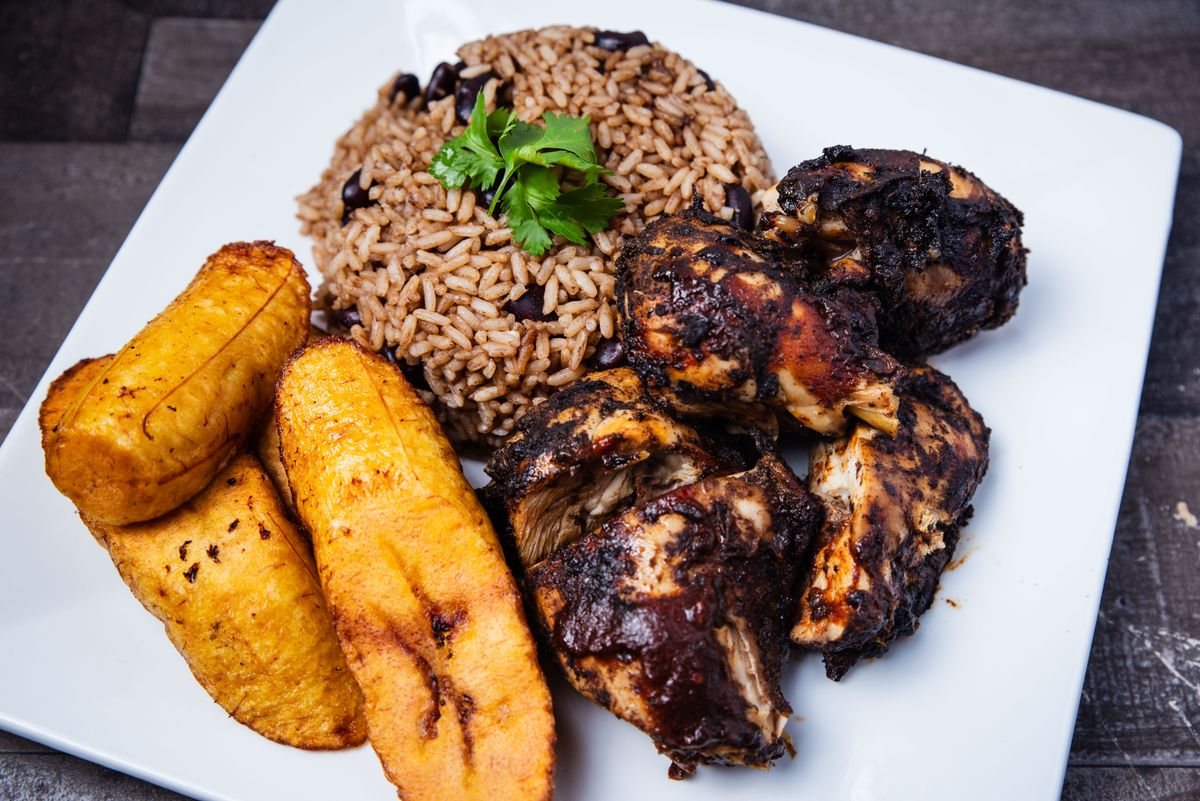
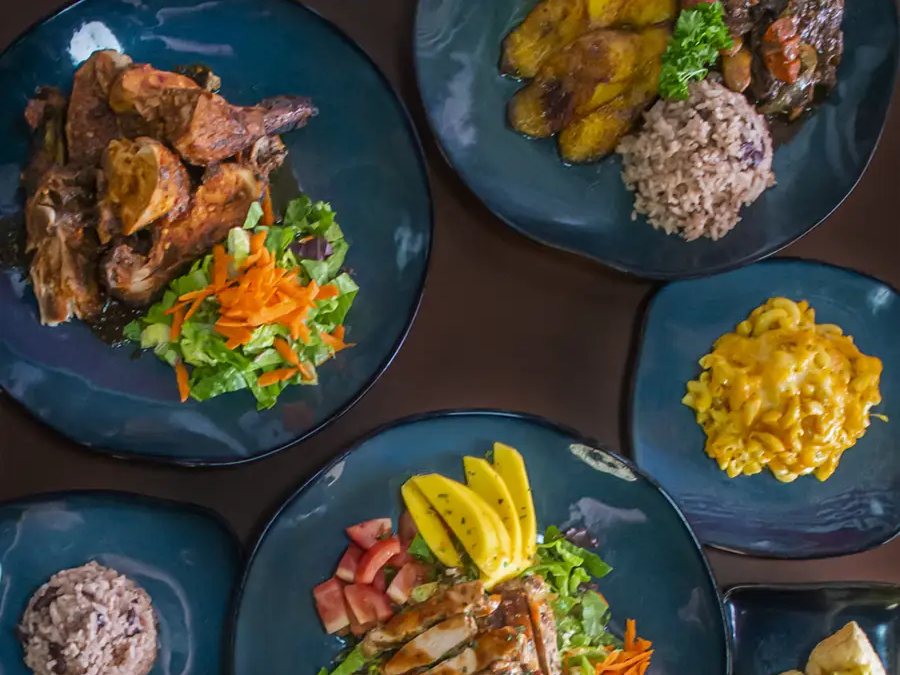
Denver is not a city where Caribbean food announces itself on every block. You usually have to look for it, drive a little farther than you planned, and pay attention to weekly specials, changing hours, and the kind of handwritten signs that often point to the best meal of the day. That is part of the appeal. When people search for caribbean food denver, what they are really trying to find is not just spice or heat. They want food with depth, food that carries history, migration, improvisation, and comfort in equal measure.
The Caribbean, of course, is not one cuisine. Jamaican cooking tastes different from Cuban cooking. Puerto Rican food has its own rhythm. Trinidadian dishes pull in Indian influence in ways that can surprise diners who expect every island meal to revolve around jerk seasoning. Even within one island tradition, one cook’s oxtail or rice and peas can lean sweeter, smokier, saltier, or more herb-driven than another’s. In Denver, where Caribbean restaurants are fewer than Mexican, Vietnamese, Ethiopian, or Thai options, those distinctions matter. They shape whether a place is worth crossing town for, and what you should order once you get there.
What follows is a practical guide to the spots that stand out, along with some context that helps set expectations. Denver’s Caribbean scene is real, but it is not endless. The best approach is to come hungry, stay flexible, and order with curiosity.
Why Denver’s Caribbean scene feels smaller, but more personal
Anyone who has spent time eating around Denver knows the city rewards persistence. Some cuisines are represented in tight clusters, while others are spread thinly across neighborhoods and suburbs. Caribbean food often falls into that second category. You might leave downtown, head toward Aurora, or zigzag through strip malls that do not look promising from the outside. Then a plate arrives with glossy stewed oxtail, cabbage cooked just enough to soften, and rice that has absorbed stock, coconut, and thyme, and suddenly the drive makes perfect sense.
That relative scarcity has an upside. The places that survive usually do so because they have earned loyal regulars. Their menus tend to be focused, and the strongest dishes are often the ones the kitchen has been making the same way for years. You are less likely to find a polished, theme-heavy version of island cuisine made for tourists. You are more likely to find a restaurant where someone behind the counter will tell you, honestly, that the curry goat is especially good today and the patties sold out an hour ago.
If you are used to larger East Coast Caribbean communities, Denver may not match that depth or density. It can still deliver real satisfaction, especially if you understand the local landscape. The metro area matters as much as city limits. Aurora, in particular, often deserves a place in the conversation whenever people talk about where to eat internationally around Denver.
What makes a Caribbean restaurant worth the trip
Before getting into specific destinations, it helps to know what separates a truly good Caribbean meal from one that simply borrows the vocabulary. Seasoning is the first test. Jerk should taste layered, not just spicy. You want allspice, thyme, scallion, chile, and smoke, with the heat integrated rather than sitting on top. Stewed meats should taste as if they had time to settle into themselves. Rice should never feel like an afterthought. It is not filler. It is part of the dish’s architecture.
Texture matters too. A beef patty should have a flaky shell that shatters lightly, not a dense crust that eats like ordinary pie dough. Plantains should hit that narrow window where their sugars have deepened but they have not turned to mush. Oxtail should yield easily without collapsing into stringy overcooked mush. These are small details, but they tell you whether a kitchen understands the food from the inside.
The other marker is restraint. Good Caribbean cooking is bold, but not sloppy. Too much sweetness can flatten a dish. Too much salt can bury the aromatics. Heavy sauce without balance turns everything into one note. The strongest restaurants know where to stop.
Reggae Pot Jamaican Grill, the place many locals mention first
Among the names that come up most often in the caribbean food denver conversation, Reggae Pot Jamaican Grill is one of the most recognizable. It is the kind of place people recommend with a little urgency, usually followed by a specific order suggestion. That is usually a good sign.
The menu centers on Jamaican staples, and this is where Denver diners can get a direct, satisfying taste of the island’s comfort-food canon. Jerk chicken is the obvious starting point, but it should not be the only one. When a Jamaican kitchen is in form, the deeper pleasure often lies in the slower dishes. Brown stew chicken, curry goat, and oxtail each reveal something different about the house style. Jerk shows you the grill and seasoning blend. Stewed dishes show you patience.
At a place like Reggae Pot, pay attention to the sides. Rice and peas, cabbage, fried plantains, and mac and cheese are not decorative. They round out the meal and soften the assertiveness of the mains. A good bite often includes more than one component. A forkful of rice with a little gravy, a piece of meat, and a slice of sweet plantain does more than any isolated taste can.
One practical note from experience with Jamaican restaurants in general: availability can shift throughout the day. Popular items sell through, especially if the kitchen is making food in sensible batches rather than aiming for endless inventory. If you have your heart set on oxtail or patties, earlier is usually safer than later.
Jamaica Grill, where the basics matter
A strong Caribbean restaurant does not need a sprawling menu. In fact, a shorter one often inspires more confidence. Jamaica Grill fits that idea well. The appeal here is straightforward. You go for recognizable Jamaican dishes done with conviction, and the kitchen lets the seasoning do the work.
The restaurants that last in this category are rarely chasing reinvention. They understand that a loyal lunch crowd wants consistency. They want jerk chicken that tastes the way they remember from last time. They want curry with real depth rather than a generic yellow sauce. They want coco bread, patties, and sides that feel like part of a complete meal instead of add-ons made for speed.
What I appreciate about places like Jamaica Grill is that they remind diners how much range Jamaican food has, even within a compact menu. People unfamiliar with the cuisine sometimes reduce it to jerk alone, but that misses the point. Jamaican cooking can be smoky, peppery, earthy, sweet, and deeply savory, often in the same plate. When the kitchen respects those contrasts, the meal feels vivid rather than heavy.
If you are bringing someone new to Caribbean food, this is the kind of spot where they can learn the basics without distraction. Order a plate combination, share a patty, talk through the differences between jerk seasoning and curry, between rice and peas and plain rice, between sweet plantains and the greener savory versions that some Latin American cuisines prefer. Food like this teaches gently.
Cuba Cuba, a different branch of the Caribbean tree
Not every conversation about Caribbean food in Denver should stop at Jamaica. Cuban cuisine belongs in the picture, and Cuba Cuba remains one of the city’s better-known names for that reason. It occupies a different lane from a Jamaican grill, but it still belongs in any serious local guide because the Caribbean is broad, and Denver’s offerings reflect that diversity.
Cuban food tends to work through slow braises, citrus, garlic, black beans, pork, and pressed sandwiches in ways that feel both comforting and precise. At Cuba Cuba, dishes such as ropa vieja, lechon, and classic Cuban-style sides give diners access to another piece of the region’s food culture. You are not getting scotch bonnet heat here. You are getting tenderness, acidity, and the kind of home-style depth that depends on stock, sofrito, and time.
This matters because many Denver diners searching for tropical or island flavors are not always distinguishing between subregions. They know the mood they want: warmth, color, bold seasoning, something transportive. Cuba Cuba meets that need from a different angle. It is especially useful if your group has mixed preferences. Someone can get a hearty pork dish, someone else can go for lighter citrus-driven flavors, and the table can still feel coherent.
There is also a practical advantage. Cuban restaurants often offer a slightly easier entry point for diners who are hesitant around intense heat or unfamiliar spice blends. That does not make the food less serious. It simply broadens the audience.
Cuba Bakery & Cafe, for pastries, sandwiches, and a more casual stop
If Cuba Cuba gives you the sit-down side of Cuban cooking, Cuba Bakery & Cafe shows its quicker, everyday face. This is where you can understand how Caribbean food also lives in breakfast, lunch counters, pastry cases, and handheld formats. Not every island meal needs to be a large platter. Sometimes the right move is a strong coffee, a pastry, and a sandwich that knows exactly what it is doing.
Bakery-cafe formats can reveal a lot about a cuisine’s daily habits. You see what people actually snack on, what travels well, what gets eaten on work breaks, and what becomes ritual. With Cuban food, that can mean flaky pastries, pressed sandwiches, and compact savory items that bring together pork, mustard, pickles, ham, or cheese with satisfying economy.
In Denver, where Caribbean options are spread out, a place like this is valuable because it expands the category beyond dinner. It is a reminder that island cooking is not only about large entrées with rice. It also includes baked goods, café culture, and practical foods built for ordinary days.
What to order if you want the broadest look at Caribbean flavors
For anyone trying to make sense of the scene quickly, a few dishes tell you more than others. These are the orders that reveal whether a restaurant has balance, discipline, and confidence.
- Jerk chicken, because it tests seasoning, smoke, and moisture all at once.
- Oxtail, because it exposes whether the kitchen understands braising and gravy.
- Beef patties, because pastry texture is hard to fake.
- Curry goat or curry chicken, because spice blend and timing matter.
- Ropa vieja or lechon at Cuban spots, because tenderness and acidity need to work together.
That short list is useful partly because it keeps you from overthinking. Good Caribbean food rewards direct choices. Order the standards first. If they are right, branch out.
Denver’s hidden advantage, crossover dining
One thing Denver does unusually well is crossover eating. Because the Caribbean restaurant pool is smaller, many diners who love island food also spend time in neighboring food traditions, especially Latin American and African cuisines. That can sharpen your palate in helpful ways.
For example, if you already understand the difference between a Mexican adobo and a Jamaican jerk marinade, you start noticing how smoke behaves differently in each. If you have spent time with Puerto Rican rice dishes and then eat Cuban black beans in Denver, you can better appreciate how seasoning foundations change from one island to the next. Even sides become more interesting when viewed comparatively. Plantains appear in multiple cuisines, but their role, ripeness, and finish vary enough to make those details worth noticing.
This broader context helps in a city like Denver, where a single weekend might take you from Ethiopian tibs to Jamaican curry to Cuban sandwiches. Rather than seeing the Caribbean scene as limited, it can be more useful to see it as part of a larger web of migration-driven cooking. That is one reason Denver’s food culture feels richer than raw restaurant counts might suggest.
A word about ambiance versus food
When readers ask for must-visit spots, they are often asking two questions at once. Which places serve the best food, and which places feel like an experience? In Denver’s Caribbean landscape, those answers do not always overlap neatly.
Some of the most satisfying plates come from modest storefronts where décor is secondary. Fluorescent lighting, a sparse dining room, and takeout-heavy service should not deter you. In fact, in this category, that setup can be reassuring. It usually means the kitchen’s energy is going into the food rather than the room.
That said, ambiance still matters, especially if you are caribbean food denver planning a date night, group dinner, or an evening where cocktails and pacing count. Cuban restaurants in Denver often carry more of that social, linger-over-it atmosphere, while Jamaican counters can skew practical and direct. Neither model is better. They simply serve different needs. The mistake is assuming one predicts the quality of the other.
I have had plenty of meals over the years where the best thing on the table came from the least glamorous setting. Caribbean food, maybe more than many categories, rewards that humility.
The smart way to plan a Caribbean food outing in Denver
If you want a meal that feels effortless rather than hit-or-miss, a little planning helps. Denver is not a city where every Caribbean restaurant keeps identical hours or all menu items available from open to close. Some kitchens are better at lunch than dinner. Some shine on weekends. Some have specialties that disappear quickly.
Here are a few habits that improve the odds:
- Check current hours the day you go, not the week before.
- Ask what sold well that day or what the kitchen recommends.
- Go earlier if you want slower-cooked specials like oxtail.
- Order at least one side you did not plan on, especially plantains or cabbage.
- If dining with others, share across styles instead of ordering duplicates.
Those small adjustments matter more than people think. Caribbean restaurants often cook in rhythms that make sense for the food, not for maximum menu uniformity. That is usually a strength.
What newcomers often misunderstand about Caribbean food
The most common misunderstanding is that every dish should be fiery. Heat is part of the picture, but it is not the whole canvas. Scotch bonnet peppers bring fruitiness as well as force. Many excellent dishes are aromatic rather than overtly hot. Curry can be warm and complex without blowing out your palate. Beans and rice may seem simple until you notice how much flavor has been built into them.
Another mistake is treating the cuisine as beach food, as if it exists only in the register of cocktails and vacation mood. Caribbean cooking absolutely knows celebration, but it also knows labor, thrift, preservation, and home economics. Oxtail, stews, patties, braised pork, and rice dishes all reflect that history. They are practical foods elevated by seasoning skill and cultural memory.
That is why a city like Denver can support Caribbean restaurants even without a huge tourist frame around them. The food is not novelty. It is everyday sustenance with personality.
Where the scene could grow next
Denver’s dining public is much more adventurous than it was fifteen or twenty years ago. That opens space for deeper Caribbean representation, especially beyond the most familiar dishes. There is room for more Trinidadian doubles, more Haitian cooking, more Puerto Rican specialties, more serious rum programs tied to real food knowledge rather than tropical branding. There is also room for bakeries and casual lunch spots that serve communities first and curious newcomers second.
Growth, though, only happens when diners show up consistently. Not once for a trendy photo, but repeatedly, on ordinary weekdays, ordering the stews, the sides, the pastries, the dishes that keep kitchens running. If you care about better caribbean food denver options in the future, supporting the existing places is part of the job.
The meals that stay with you
What makes Caribbean food memorable in Denver is not just flavor, though flavor is the starting point. It is the way these meals change the pace of your day. A plate of jerk chicken with rice and peas asks you to slow down. A forkful of oxtail and gravy can make a cold Front Range afternoon feel less sharp. A Cuban sandwich eaten at the right hour can reset your whole mood. Good food does that, but Caribbean food does it with particular warmth.
If you are building your own map of must-visit spots, start with Reggae Pot Jamaican Grill and Jamaica Grill for the Jamaican side of the spectrum. Add Cuba Cuba caribbean food denver and Cuba Bakery & Cafe for Cuban depth and range. Then pay attention to the edges of the metro area, especially wherever immigrant food communities are creating smaller, less advertised offerings. The scene may not be huge, but it is more rewarding than a quick glance suggests.
Denver asks diners to be active participants. You have to seek things out here. Caribbean food is one of the clearest examples. The reward for that effort is a set of meals that feel rooted, generous, and unmistakably alive.
Reggae Pot Jamaican Grill
2243 S Monaco St Pkwy, Suite 104
Denver, CO 80222
(720) 410-2956
FAQ About caribbean food denver
What is a typical Caribbean meal?
Caribbean cuisines vary by island. A Jamaican meal might pair jerk chicken or oxtail with sides such as rice and peas, cabbage, or fried plantains.
What is Jamaica’s national dish?
Ackee and saltfish is widely recognized as Jamaica’s national dish. Check the current menu for availability.
Is Caribbean jerk the same as Jamaican jerk?
Jerk is a Jamaican cooking tradition associated with seasoning and slow cooking or grilling. The exact heat level and preparation vary by cook.